PEVA Film Applications & Eco-Friendly Advantages – Complete Guide
In our previous article, we detailed the compliance requirements, performance advantages, and sourcing considerations for EVA film in food packaging. One reader asked a very practical question: “What‘s the difference between PEVA film and EVA film? Where is PEVA film mainly used? Why is it considered more eco-friendly?”
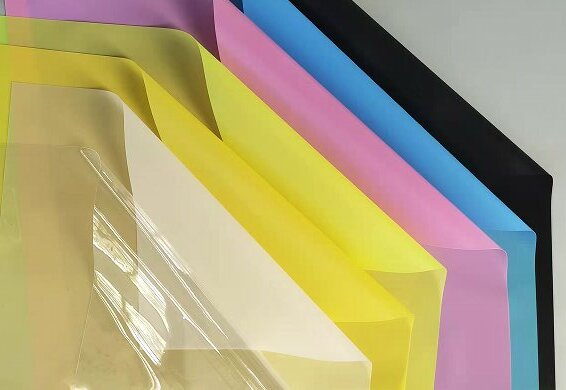
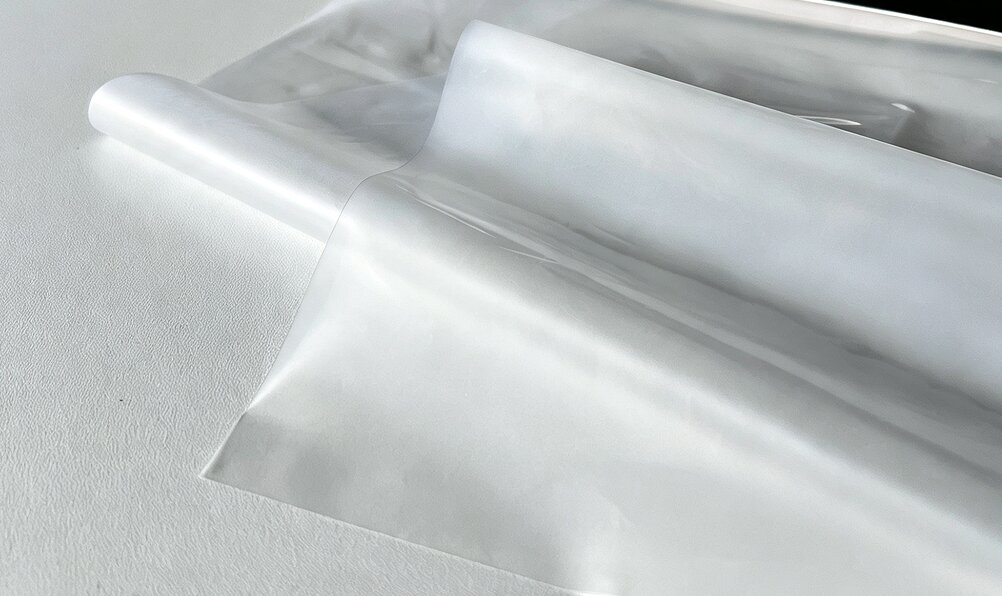
These questions go to the heart of film sourcing decisions. PEVA film (Polyethylene-Vinyl Acetate Copolymer film) is a blend of PE and EVA, combining the advantages of both — the strength and processability of PE with the flexibility and transparency of EVA. In recent years, PEVA film has been rapidly replacing traditional PVC film in household products, packaging materials, and other applications due to its eco-friendly, non-toxic, and lightweight properties, making it a highly regarded green material in the market.
This article provides a systematic overview of PEVA film‘s material properties, key advantages, major applications, and sourcing considerations to help B2B buyers fully understand this eco-friendly film material.
1. What Is PEVA Film?
PEVA stands for Polyethylene-Vinyl Acetate Copolymer — a blended material made from polyethylene (PE) and ethylene-vinyl acetate copolymer (EVA). The ratio of PE to EVA can be adjusted based on different application requirements — higher PE content provides better strength, while higher EVA content provides better flexibility and transparency.
Key Properties of PEVA Film:
| Property | Description |
|---|---|
| Eco-friendly & Non-toxic | Phthalate-free, chlorine-free, heavy metal-free; no toxic gases when burned or landfilled |
| Lightweight | Density of approximately 0.91–0.93 g/cm³ — about 30% lighter than PVC (density 1.32 g/cm³) |
| Soft & Elastic | Naturally soft without requiring plasticizers |
| High Transparency | Transparency close to PVC — ideal for applications requiring product visibility |
| Superior Low-Temperature Resistance | Withstands -70°C without becoming brittle |
| Waterproof & Mildew Resistant | Excellent water, moisture, and mildew resistance |
| Recyclable/Biodegradable | Supports circular economy models; recyclable through standard polyethylene streams |
2. PEVA Film vs PVC Film – Key Differences
PEVA film has been rapidly replacing PVC film due to advantages in several key dimensions:
| Dimension | PEVA Film | PVC Film |
|---|---|---|
| Density | 0.91–0.93 g/cm³ (30% lighter) | 1.32 g/cm³ (heavier) |
| Plasticizers | None required — naturally soft | Requires plasticizers for softness |
| Hazardous Substances | Phthalate-free, chlorine-free, heavy metal-free | May contain phthalates |
| Low-Temp Performance | Excellent (-70°C) | Becomes stiff and brittle |
| Eco-Friendliness | Recyclable, biodegradable, non-toxic when burned | May release toxic gases when incinerated |
| Transparency | High (close to PVC) | High |
| Cost | Medium | Lower (high-quality phthalate-free PVC is more expensive) |
Traditional PVC film requires plasticizers to achieve softness, and some plasticizers (such as phthalates) pose environmental and health risks. With increasing global restrictions on plasticizers in consumer products, phthalate-free, chlorine-free, heavy metal-free PEVA film is becoming the preferred alternative for many brands.
PEVA film production consumes 30–45% less energy than PVC and has a smaller carbon footprint. PEVA can be recycled through standard polyethylene streams, supporting circular economy models.
3. Major Applications of PEVA Film
PEVA film has an extremely wide range of applications, covering household products, packaging materials, outdoor products, and more:
| Application Area | Typical Products | Key Advantages |
|---|---|---|
| Household Products | Shower curtains, tablecloths, placemats, curtains | Waterproof, mildew-resistant, easy to clean, soft and durable |
| Personal Protection | Raincoats, ponchos, children‘s bibs | Soft, comfortable, non-toxic |
| Packaging Materials | Shopping bags, cosmetic bags, electronics packaging | High transparency, eco-friendly, recyclable |
| Outdoor Products | Car covers, dust covers, camping gear | Waterproof, anti-aging, durable |
| Bathroom Products | Shower caps, shower curtains | Waterproof, lightweight, eco-friendly |
Shower Curtains: PEVA shower curtains effectively prevent water seepage, keeping bathroom floors dry. Compared to traditional PVC shower curtains, PEVA curtains are odorless and plasticizer-free — healthier for users.
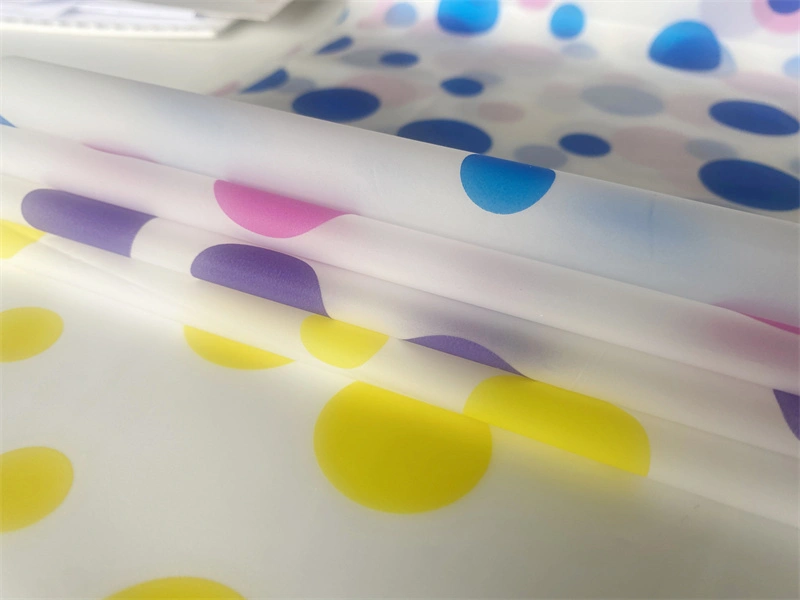
Tablecloths & Placemats: PEVA tablecloths protect tables from stains and scratches, suitable for family dinners, parties, or everyday kitchen use. PEVA tablecloths are waterproof, oil-resistant, and easy to clean, with soft hand feel and high transparency.
Rainwear & Protective Products: PEVA rainwear is softer, lighter, and odorless than traditional PVC rainwear, and contains no plasticizers. PEVA is also widely used in children‘s bibs and baby products — its non-toxic properties make it ideal for mother and baby products.
Packaging Materials: PEVA film can be used for shopping bags, cosmetic packaging, electronics packaging, and more. Its high transparency clearly displays product appearance, and its eco-friendly recyclability aligns with sustainable packaging trends.
Car Covers & Dust Covers: PEVA car covers offer excellent waterproof, dust-proof, and anti-aging performance, and are lighter than PVC car covers.
4. Eco-Friendly Advantages of PEVA Film
PEVA film is considered an “eco-friendly film” due to the following advantages:
1. Non-Toxic
PEVA film is phthalate-free, chlorine-free, and heavy metal-free. The raw materials are non-toxic and odorless, posing no harm to humans. High-quality PEVA film can meet food-grade standards.
2. Recyclable & Biodegradable
PEVA material can be recycled through standard polyethylene streams, supporting circular economy models. After disposal, it is biodegradable and produces no toxic gases when incinerated.
3. Low Carbon Footprint
PEVA film production consumes 30–45% less energy than PVC, resulting in a smaller carbon footprint. Its lightweight properties (density approximately 70% of PVC) also reduce fuel consumption during transportation.
4. Complies with International Environmental Standards
PEVA film complies with REACH, RoHS, and other international environmental standards, meeting the strict compliance requirements of Western markets.
5. Sourcing Considerations for B2B Buyers
If you are sourcing PEVA film for your products, here are key points to consider:
1. Define end-use requirements
| Core Requirement | Recommendation |
|---|---|
| Household products (shower curtains, tablecloths) | PEVA — waterproof, mildew-resistant, soft, durable, odorless |
| Baby/children‘s products | PEVA — non-toxic, plasticizer-free |
| Brand packaging | PEVA — high transparency, eco-friendly, recyclable |
| Outdoor protection (car covers, rainwear) | PEVA — lightweight, waterproof, anti-aging |
The PE to EVA ratio in PEVA is adjustable — higher PE content: better strength, lower cost; higher EVA content: better flexibility, higher transparency. Troas can adjust the formulation ratio based on specific application requirements.
3. Specify thickness and specifications
PEVA film thickness and width can be customized based on application requirements. Troas offers PEVA film in various thicknesses and specifications.
4. Compliance requirements
If your target market is the EU or North America, verify whether the product meets REACH, RoHS, and other environmental standards. Troas‘ PEVA film products can cooperate with customers on third-party testing.
6. What Troas Can Do for You
Troas offers PEVA film products covering household products, packaging materials, outdoor protection, and more:
-
PEVA shower curtain film: Waterproof, mildew-resistant, soft, durable, odorless
-
PEVA tablecloth film: High transparency, easy to clean, soft hand feel
-
PEVA packaging film: Eco-friendly, recyclable, high transparency
-
PEVA rainwear film: Lightweight, soft, non-toxic
Core capabilities:
-
Adjustable formulation: PE to EVA ratio can be customized based on application requirements
-
Flexible specifications: Custom thickness, width, and color
-
Compliance support: Can cooperate with third-party testing (REACH, RoHS, etc.)
-
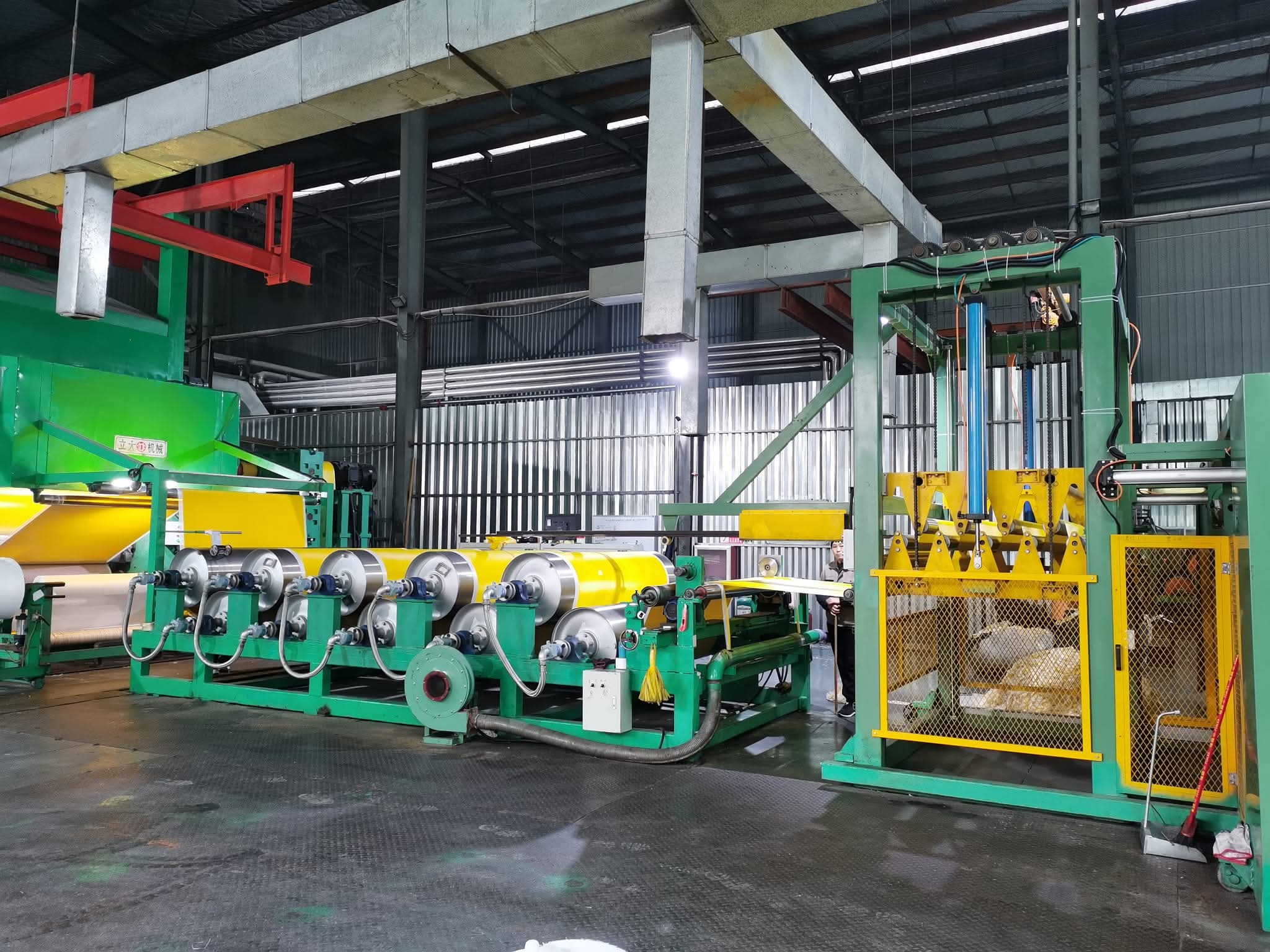
Consistent quality: 20 years of production experience ensuring stable delivery for large-volume orders
7. Summary
PEVA film — as a blend of PE and EVA — combines the advantages of both: the strength and processability of PE with the flexibility and transparency of EVA. With its eco-friendly, non-toxic, lightweight, soft, and durable properties, PEVA film is rapidly replacing traditional PVC film as the preferred material for shower curtains, tablecloths, rainwear, packaging, and more.
The key to selecting PEVA film is: What level of softness, transparency, and strength does your end product require? What environmental compliance requirements does your target market have? Once you have the answers, the selection becomes clear.
Troas will continue our weekly Tuesday updates, delivering practical content on functional films and waterproof fabric applications.
📩 To request PEVA film samples or product catalogs: Contact Us
📁 Explore more waterproof fabrics and films that meet market demands: View Products
🏭 Learn more about Troas‘ production strength and quality control system: About Us
Next week preview: We’ll dive into PE film applications and sourcing considerations — from food packaging to agricultural covers.
EVA Film in Food Packaging – Compliance, Performance & Sourcing Guide
Related Article