PE Film Applications & Sourcing Guide – Food Packaging to Agriculture
In our previous article, we detailed the applications and eco-friendly advantages of PEVA film. One reader asked a fundamental but critical question: “PE film — the polyethylene film we commonly refer to — what are its main types? Where is it mainly used? What should we pay attention to when sourcing?”
These questions go to the heart of film sourcing decisions. PE film (Polyethylene film) is the largest-volume plastic film variety, accounting for over 40% of total plastic film consumption. With its good toughness, moisture resistance, heat sealability, easy processing, and low cost, PE film is widely used in food packaging, agricultural covers, industrial packaging, consumer goods, rainwear and umbrellas.
This article provides a systematic overview of PE film types, key properties, major applications, and sourcing considerations to help B2B buyers fully understand this essential film material.
1. What Is PE Film?
PE film, short for Polyethylene Film, is a film material made from polyethylene resin through blown or cast film processes. Polyethylene molecules contain no polar groups, offering excellent chemical stability, non-toxic, odorless properties, and good moisture resistance.
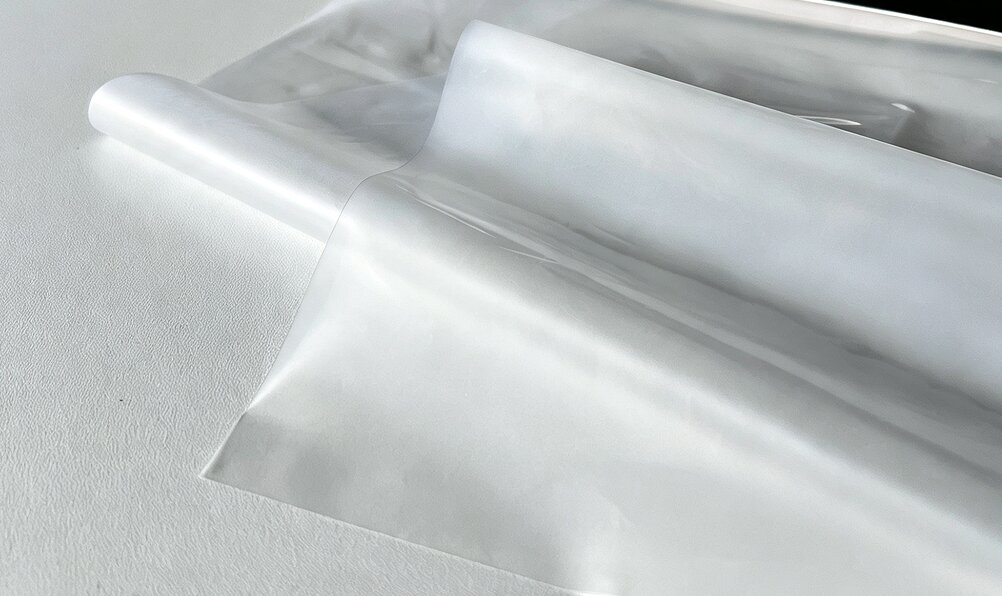
PE film has a translucent soft texture with tensile strength, chemical resistance, and waterproof properties, with a wide applicable temperature range. Depending on the manufacturing method, PE film can be classified as Low-Density Polyethylene (LDPE), Linear Low-Density Polyethylene (LLDPE), High-Density Polyethylene (HDPE), and other types.
2. Main Types of PE Film and Property Comparison
Polyethylene is mainly classified into LDPE (1939), HDPE (1953), LLDPE (1977), and others based on industrialization timing. Here are the core differences among the three mainstream PE films:
| Dimension | LDPE | LLDPE | HDPE |
|---|---|---|---|
| Density (g/cm³) | 0.910–0.925 | 0.918–0.939 | 0.941–0.965 |
| Molecular Structure | Long-chain branching, low crystallinity | Short-chain branching, linear | Linear, high crystallinity |
| Transparency | High (translucent) | Relatively high | Low (opaque) |
| Flexibility | Soft, good toughness | Excellent toughness | Stiffer, high rigidity |
| Strength | Moderate | High | Excellent tensile strength |
| Moisture Resistance | Good | Good | Excellent |
| Heat Sealability | Excellent | Good | Moderate |
| Heat Resistance | Moderate (MP 108–126°C) | Good | Excellent (MP ~130°C) |
| Cost | Low | Medium | Medium |
| Typical Applications | Cling film, agricultural film, shrink film | Frozen food bags, stretch film, trash bags | Trash bags, shopping bags, heavy-duty packaging |
LDPE (Low-Density Polyethylene) : Features low density, good transparency, and good insulation. Non-toxic, odorless, with a glossy surface. Offers good elongation and heat sealability. LDPE is mainly used as film material with toughness, transparency, and easy processing.
LLDPE (Linear Low-Density Polyethylene) : Offers higher strength, better toughness, greater rigidity, better heat and cold resistance compared to LDPE. Features excellent resistance to acids, alkalis, and vegetable oils, with good toughness, high transparency, and good lamination and heat seal properties.
HDPE (High-Density Polyethylene) : Features high rigidity, toughness, and excellent mechanical strength. Offers superior tensile strength, moisture resistance, heat resistance, oil resistance, and chemical stability compared to LDPE. Non-toxic, odorless, and tasteless.
3. Major Applications of PE Film
PE film has an extremely wide range of applications, covering packaging, agriculture, consumer goods, rainwear/umbrellas, medical, and more:
| Application Area | Typical Products | Common Types | Key Advantages |
|---|---|---|---|
| Food Packaging | Cling film, frozen food bags, bread bags | LDPE/LLDPE | Non-toxic, odorless, heat sealable, moisture-proof |
| Agricultural Covers | Greenhouse film, mulch film, nursery film | LDPE/LLDPE | High light transmittance (>90%), thermal insulation |
| Industrial Packaging | Heavy-duty bags, stretch film, shrink film | LDPE/HDPE | High strength, moisture-proof, chemical resistance |
| Consumer Goods | Trash bags, shopping bags, storage bags | LDPE/HDPE/LLDPE | Low cost, easy processing |
| Rainwear/Umbrellas | Disposable raincoats, emergency ponchos, transparent umbrellas, umbrella covers | LDPE/LLDPE | Extremely low cost, lightweight, high transparency |
| Medical | Pharmaceutical moisture-proof packaging, disposable medical supplies | LDPE/HDPE | Non-toxic, moisture-proof, chemical stability |
Detailed by application:
Food Packaging: PE film is the largest-volume film material in food packaging. LDPE is mainly used for cling film, bread bags, and other flexible packaging; LLDPE is widely used for frozen food bags due to its excellent toughness and low-temperature performance. PE film offers good moisture resistance, effectively maintaining food freshness.
Agricultural Covers: PE agricultural film is an indispensable material in farming. PE greenhouse film is soft with over 90% light transmittance, suitable for greenhouse and tunnel covers. PE mulch film increases soil temperature, reduces water evaporation, and provides frost protection. Based on function, it can be classified as standard PE film, PE anti-aging film, PE anti-fog anti-aging film, PE thermal film, etc..
Industrial Packaging: PE film is widely used in heavy-duty packaging film, stretch film, shrink film, and more. HDPE, with its excellent strength and moisture resistance, is commonly used for heavy-duty packaging and industrial products.
Consumer Goods: PE film is the core material for trash bags, shopping bags, storage bags, and other daily-use products, holding the main share of the daily-use plastic film market due to its low cost and easy processing.
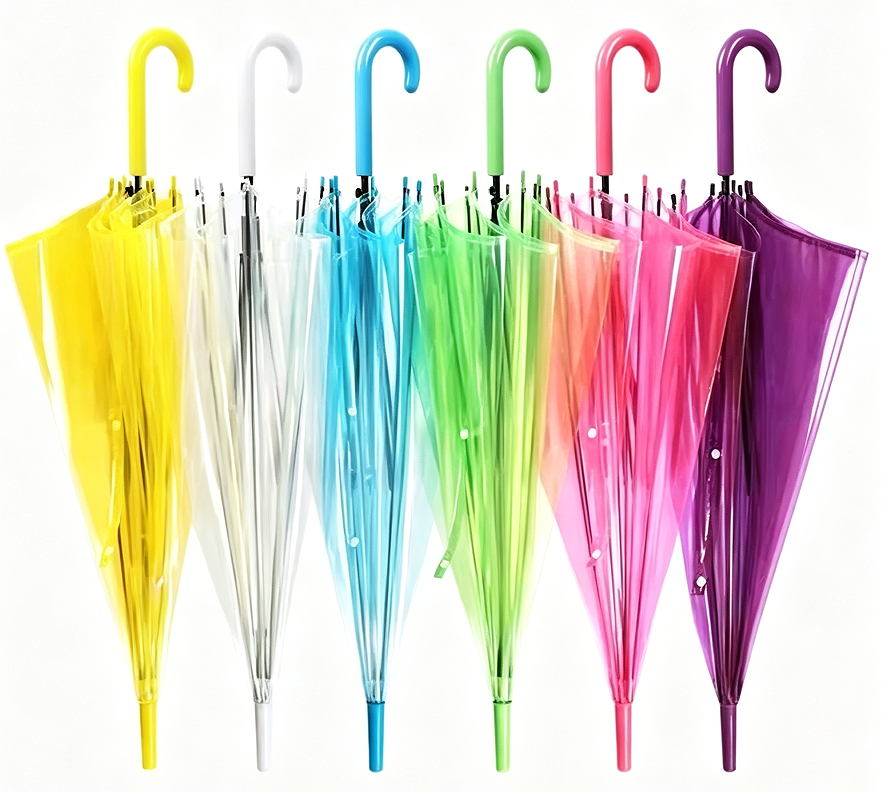
Rainwear/Umbrellas: PE film in this sector is mainly used for lightweight, disposable, or emergency products. PE aluminum film emergency raincoats are common in outdoor emergency and disaster relief, offering both waterproofing and thermal insulation. Due to its high transparency, PE film is also widely used for transparent umbrella canopies and umbrella covers/ dust covers. LDPE or LLDPE are typically chosen for these applications due to their extremely low cost and lightweight, portable properties, making them suitable for short-term or emergency protection scenarios.
Medical: PE film is used in medical applications for pharmaceutical moisture-proof packaging and disposable medical supplies, ensuring the safety and effectiveness of medical products through its non-toxic, moisture-proof, and chemical stability properties.
4. PE Film vs EVA Film vs PEVA Film – Comparison
As part of our film series, here is a comparison of PE film with EVA film and PEVA film to help buyers select precisely based on requirements:
| Dimension | PE Film | EVA Film | PEVA Film |
|---|---|---|---|
| Main Component | Polyethylene resin | Ethylene + VA copolymer | PE + EVA blend |
| Density (g/cm³) | ~0.92 (LDPE) | ~0.91–0.93 | ~0.91–0.93 |
| Flexibility | Moderate | Naturally soft | Soft and elastic |
| Low-Temp Performance | Moderate | Excellent | Superior (-70°C) |
| Transparency | Moderate | Excellent | High |
| Heat Sealability | Good | Excellent | Good |
| Compliance | Phthalate-free | Phthalate-free | Phthalate-free, heavy metal-free |
| Cost | Lowest | Medium | Medium |
-
Cost priority, high-volume general packaging → PE film (best value)
-
Rainwear/Umbrellas (short-term emergency, lightweight) → PE film (lowest cost, lightweight)
-
Rainwear (long-term wear, comfort-focused) → EVA film (soft, good low-temp performance) or PVC film
-
High transparency, product visibility required → EVA film or PEVA film
-
Excellent low-temperature flexibility (frozen environments) → EVA film or PEVA film
5. Sourcing Considerations for B2B Buyers
If you are sourcing PE film for your products, here are key points to consider:
1. Select type based on application requirements
| Core Requirement | Recommended Type | Explanation |
|---|---|---|
| Flexible packaging, cling film, agricultural film | LDPE | Good transparency, excellent heat sealability, low cost |
| Frozen food bags, stretch film, trash bags | LLDPE | High strength, good toughness, low-temperature resistance |
| Heavy-duty packaging, shopping bags, high strength | HDPE | High strength, rigidity, excellent moisture resistance |
| Disposable raincoats, transparent umbrellas, emergency ponchos | LDPE/LLDPE | Extremely low cost, lightweight, high transparency |
PE film thickness and width can be customized. Weight calculation formula: Weight(kg) = Width(m) × Length(m) × Thickness(mm) × Density(0.92) . Use this formula for accurate cost calculation.
3. Confirm processing performance
-
Heat sealability: LDPE offers excellent heat sealability, suitable for packaging lines
-
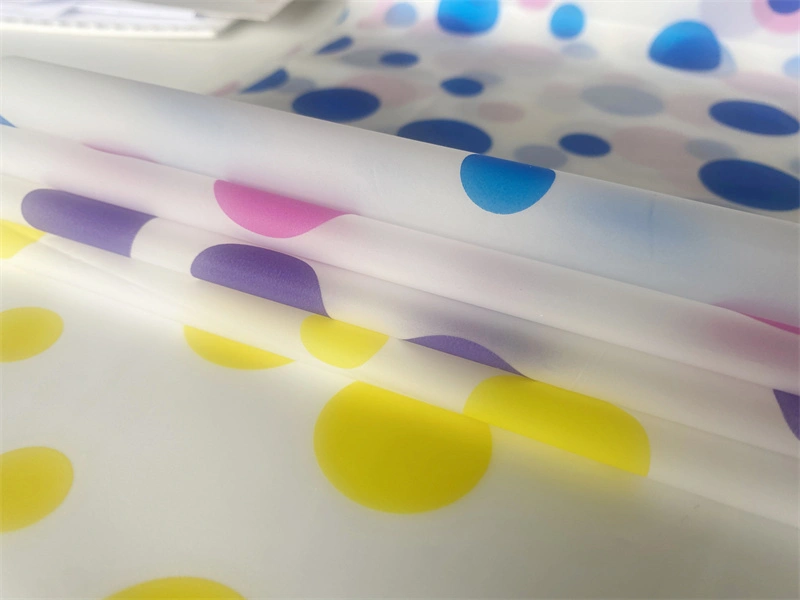
Printability: PE film has poor printability and requires surface treatment before printing or lamination
4. Compliance requirements
PE film itself contains no plasticizers, offering advantages over traditional PVC film in environmental compliance. Can cooperate with FDA, REACH, RoHS, and other third-party testing if required by target markets.
6. What Troas Can Do for You
Troas offers PE film products covering LDPE, LLDPE, HDPE, and more, widely used in food packaging, agricultural covers, industrial packaging, consumer goods, rainwear and umbrellas:
-
LDPE film: High transparency, good heat sealability — for cling film, agricultural film, shrink film, transparent umbrellas
-
LLDPE film: High strength, high toughness, low-temperature resistance — for frozen food bags, stretch film, disposable raincoats
-
HDPE film: High strength, good rigidity, excellent moisture resistance — for heavy-duty packaging, shopping bags
Core capabilities:
-
Complete range: Covers LDPE, LLDPE, HDPE full series
-
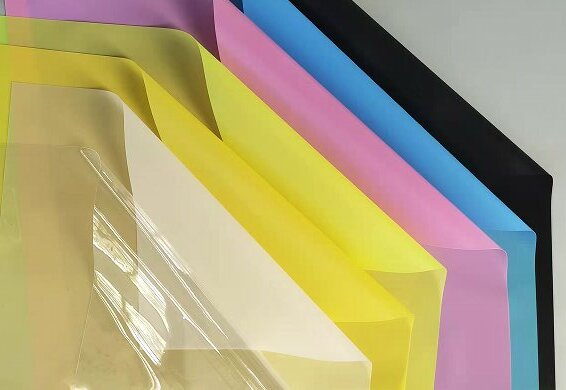
Flexible specifications: Custom thickness, width, and color
-
Compliance support: Can cooperate with FDA, REACH, RoHS, and other third-party testing
-
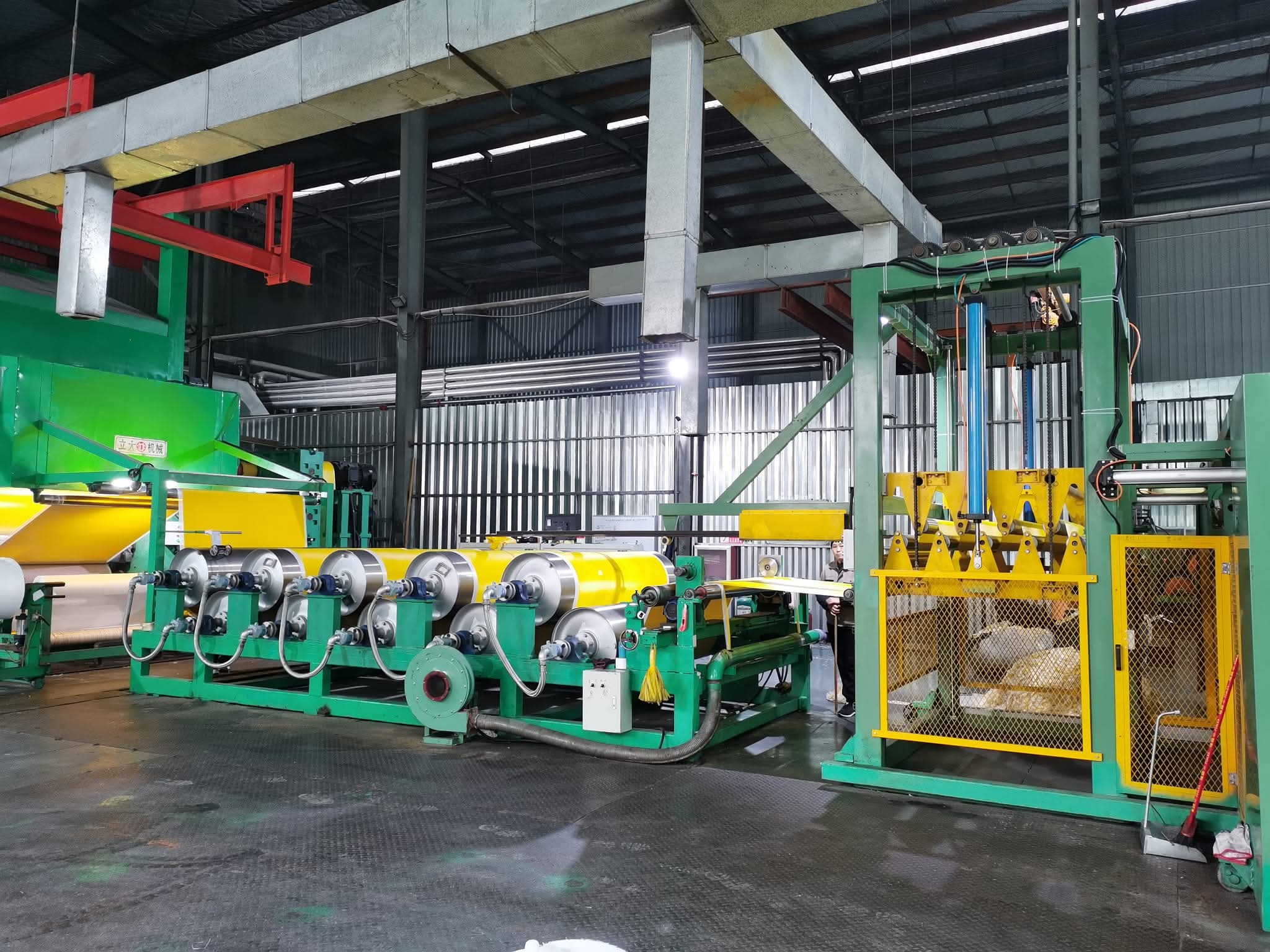
Consistent quality: 20 years of production experience ensuring stable delivery for large-volume orders
7. Summary
PE film — as the largest-volume plastic film variety — holds an irreplaceable position in food packaging, agricultural covers, industrial packaging, consumer goods, rainwear and umbrellas due to its low cost, easy processing, good moisture resistance, and excellent heat sealability:
-
LDPE: Good transparency, excellent heat sealability → Cling film, agricultural film, shrink film, transparent umbrellas
-
LLDPE: High strength, good toughness, low-temperature resistance → Frozen food bags, stretch film, trash bags, disposable raincoats
-
HDPE: High strength, good rigidity, excellent moisture resistance → Heavy-duty packaging, shopping bags
The key to selecting PE film is: What level of strength, transparency, and heat sealability does your end product require? Is the application food packaging, agricultural covers, industrial packaging, or rainwear/umbrellas? Once you have the answers, the selection becomes clear.
Troas will continue our weekly Tuesday updates, delivering practical content on functional films and waterproof fabric applications.
📩 To request PE film samples or product catalogs: Contact Us
📁 Explore more waterproof fabrics and films that meet market demands: View Products
🏭 Learn more about Troas‘ production strength and quality control system: About Us
Next week preview: We’ll launch a new chapter in our waterproof fabric series — common questions and misconceptions about industrial rainwear fabrics.
PEVA Film Applications & Eco-Friendly Advantages – Complete Guide
Related Article