140th Canton Fair Textile Zone Guide – Exhibitors & Buyers
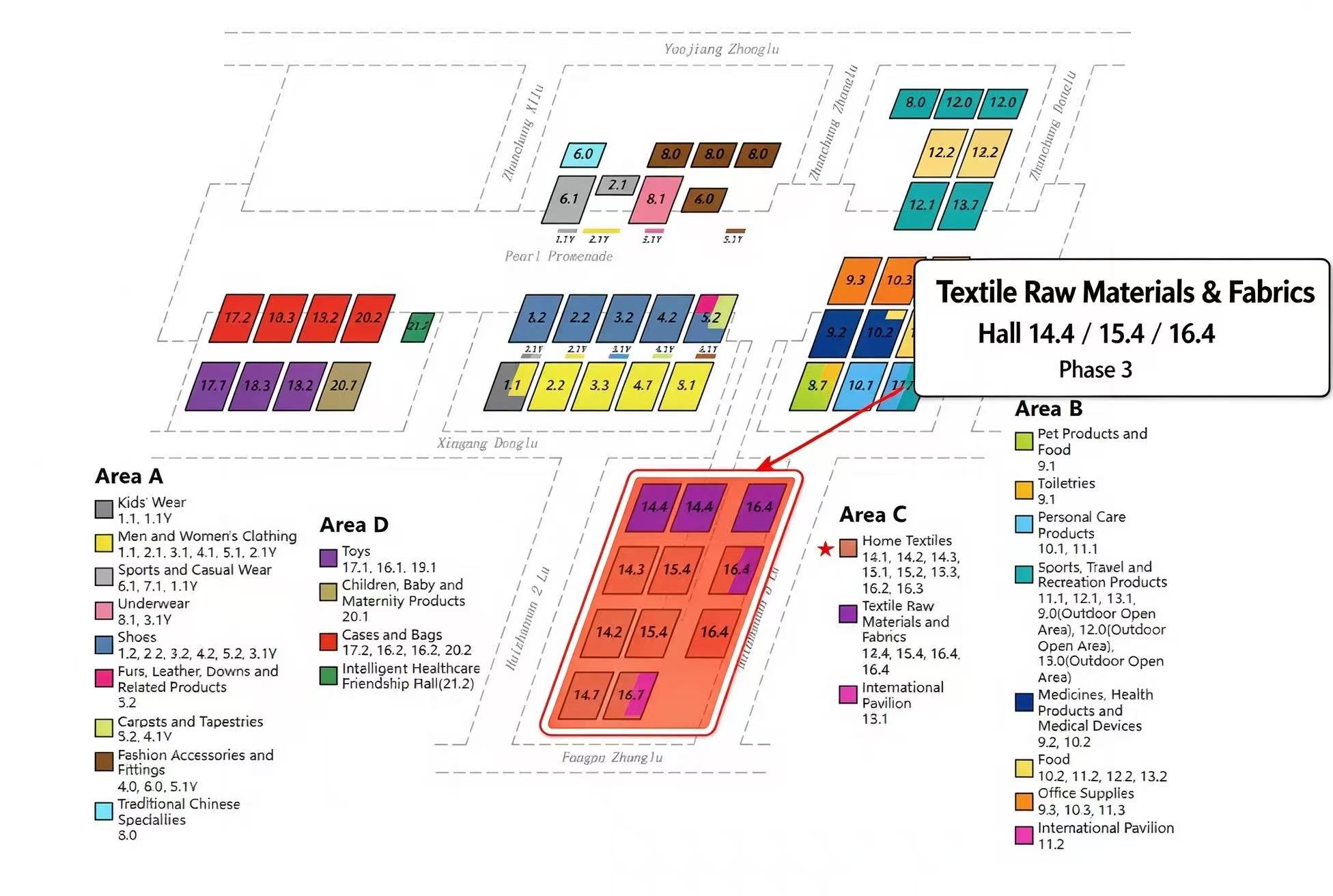
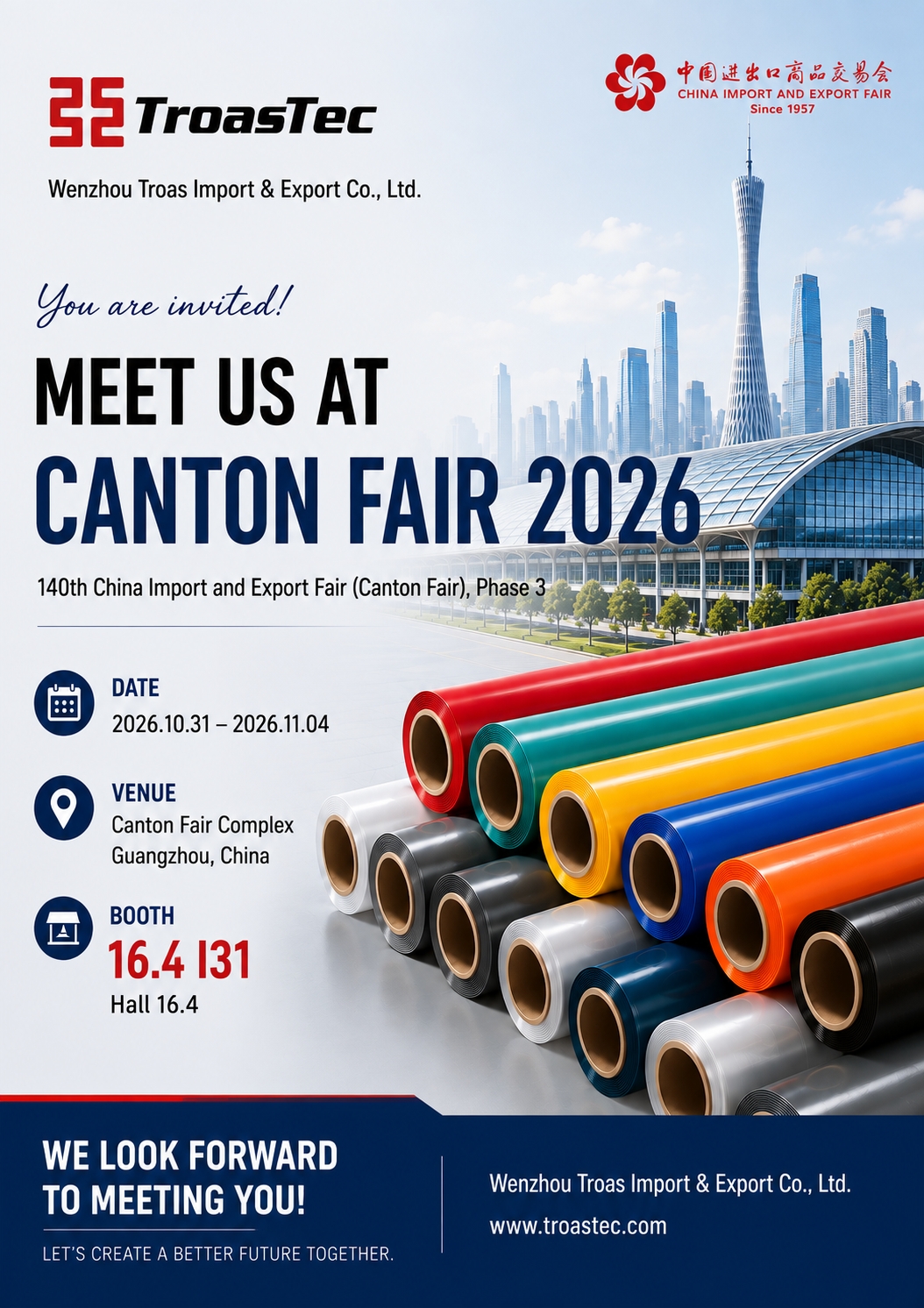
The 140th China Import and Export Fair (Canton Fair) Phase 3 will be held from October 31 to November 4, 2026 at the Canton Fair Complex in Pazhou, Guangzhou. Phase 3 is themed “Better Life,” covering toys, baby products, fashion, home textiles, stationery, and health products — spanning 515,000 square meters with 25,000 booths and over 12,000 exhibitors. More than 3,000 of these are national high-tech enterprises, “little giant” specialized firms, or manufacturing champions.
For textile industry exhibitors and buyers, the Textile Raw Materials & Fabrics zone is one of the most important areas in Phase 3. This article provides a practical guide covering the hall layout, sourcing strategies, and industry trends.
1. Where Is the Textile Zone? Hall Layout Overview
The Canton Fair Complex is divided into four main areas: A, B, C, and D. The Textile Raw Materials & Fabrics zone is located in Area C:
| Zone | Halls |
|---|---|
| Home Textiles | Halls 14.1–16.3 |
| Textile Raw Materials & Fabrics | Halls 14.4–16.4 |
| Import Pavilion | Hall 15.1 |
Buyers are advised to download the Canton Fair App in advance, using its “product image search” and “hall navigation” features to plan their routes. Phase 3 halls are organized by product type, so mapping your route in advance saves hours of walking.
2. Buyer’s Guide: Four Steps to Efficient Sourcing
Step 1: Pre-register and shortlist target booths
Phase 3 attracts over 690,000 visitors and more than 42,000 exhibitors. Complete pre-registration on the official Canton Fair website and use the App to search “textile raw materials and fabrics,” filtering by hall to shortlist 15–20 priority booths.
Step 2: Identify supplier type — factory, trader, or converter?
At the booth, ask directly: “Are you a factory or a trading company?” Working directly with a mill cuts out the middleman, securing better pricing and more reliable lead times.
Step 3: Evaluate samples on-site — focus on key parameters
For fabric sourcing, the core is “hand feel + parameters.” Focus on GSM, width, coating type, waterproof rating, tensile strength, and color fastness. Customized orders (specific weight/width/color) typically take 5–7 days for samples, with bulk order lead times of 20–30 days.
Step 4: Consolidate sample shipments
Rather than having each supplier ship separately, consolidate all samples collected at the fair into one shipment to reduce international logistics costs.
3. Industry Trends: Three Directions Every Buyer Should Watch
1. Green compliance is becoming a “hard threshold” for exports
“Green” is no longer a nice-to-have — it is now a basic threshold for international competition. EU REACH regulations continue to tighten restrictions on PFAS substances. For fabrics exported to Europe, plasticizer compliance and environmental certifications (such as OEKO-TEX Standard 100) should be confirmed in advance.
2. Functional fabric demand continues to grow
Phase 3 features a dedicated “Function & Technology Fabric” zone, showcasing the latest innovations in textile technology. Waterproofing, UV resistance, breathability, and flame retardancy are shifting from “bonus features” to basic sourcing considerations. For buyers, this means evaluating suppliers not only on price and basic quality, but also on their technical capabilities and customization support for functional fabrics.
3. Small-batch, fast lead times becoming the new normal
Amid global supply chain volatility, demand for flexible production has increased significantly. Multiple exhibitors at the Canton Fair reported a rising share of small-batch, fast-delivery orders, while improving fabric utilization to manage cost pressure. When selecting suppliers, buyers should assess their responsiveness to small-batch orders.
4. Exhibitor‘s Guide: Maximizing Booth Impact
1. Pre-show: Targeted invitations to key clients
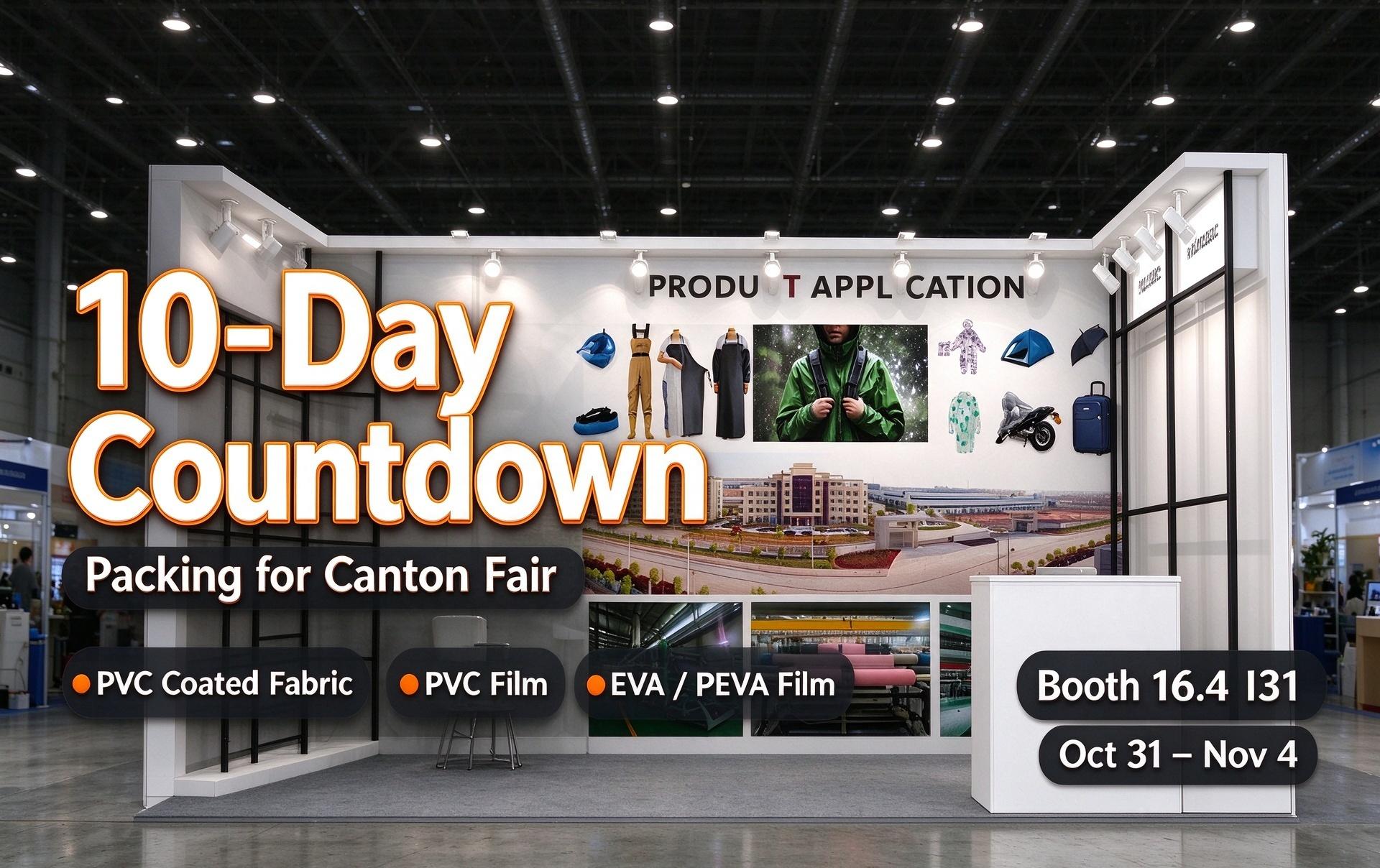
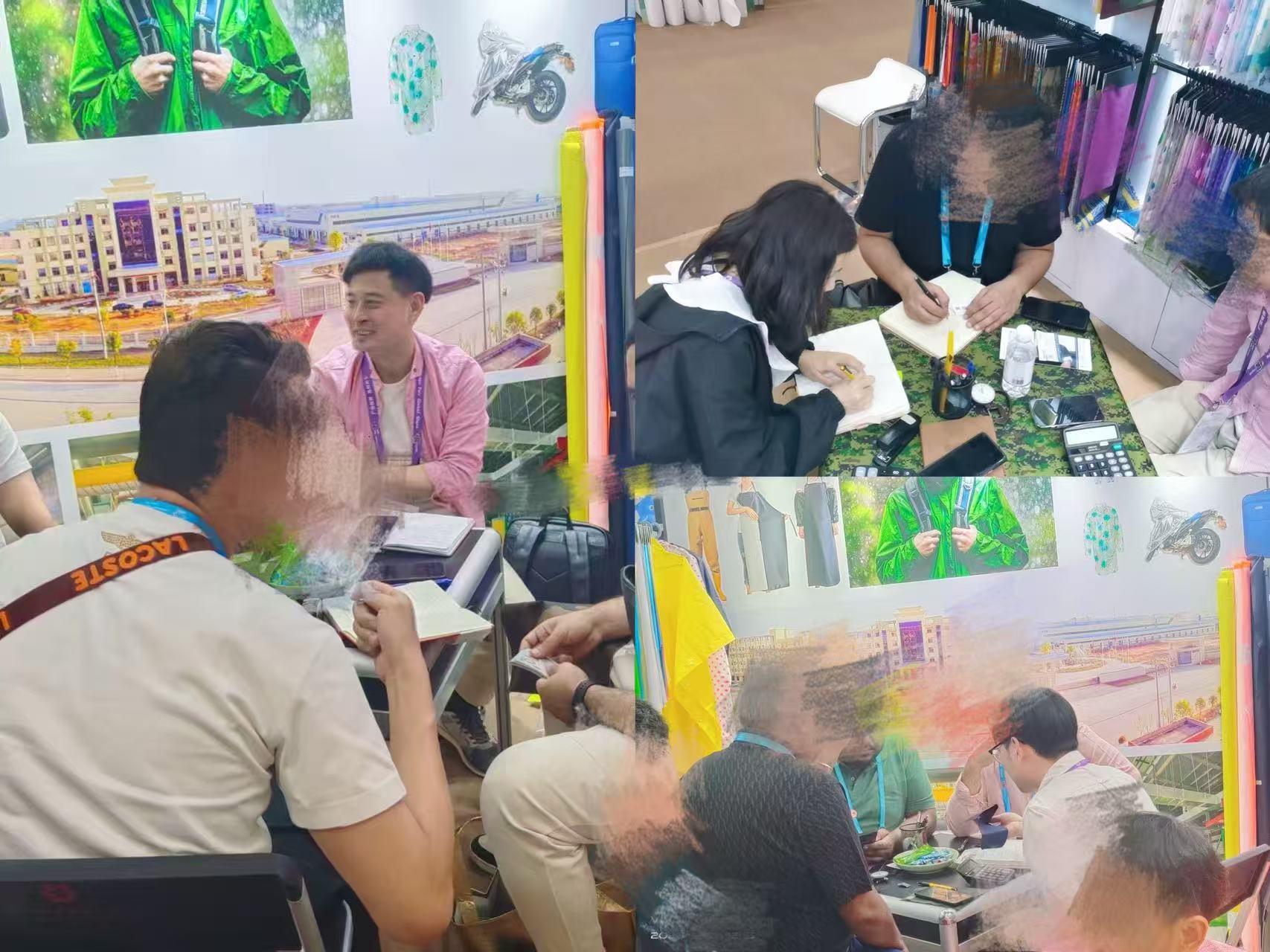
Send advance notice to existing and potential clients via email or WhatsApp with your booth number, product highlights, and available meeting slots. Troas has already sent invitations to global customers and prepared samples and catalogs at Booth 16.4I31.
2. During show: Focus on core products, avoid “everything for everyone”
Display 2–3 core products with clear parameter signage and application photos. For textile exhibitors, prepare fabric sample cards and technical specification sheets for quick buyer assessment.
3. Post-show: Fast follow-up to convert inquiries
Send follow-up emails within 48 hours after the show, including quotations, sample photos, and technical specs. For interested buyers, proactively offer sample shipments or video factory tours.
5. Visit Troas at Booth 16.4I31
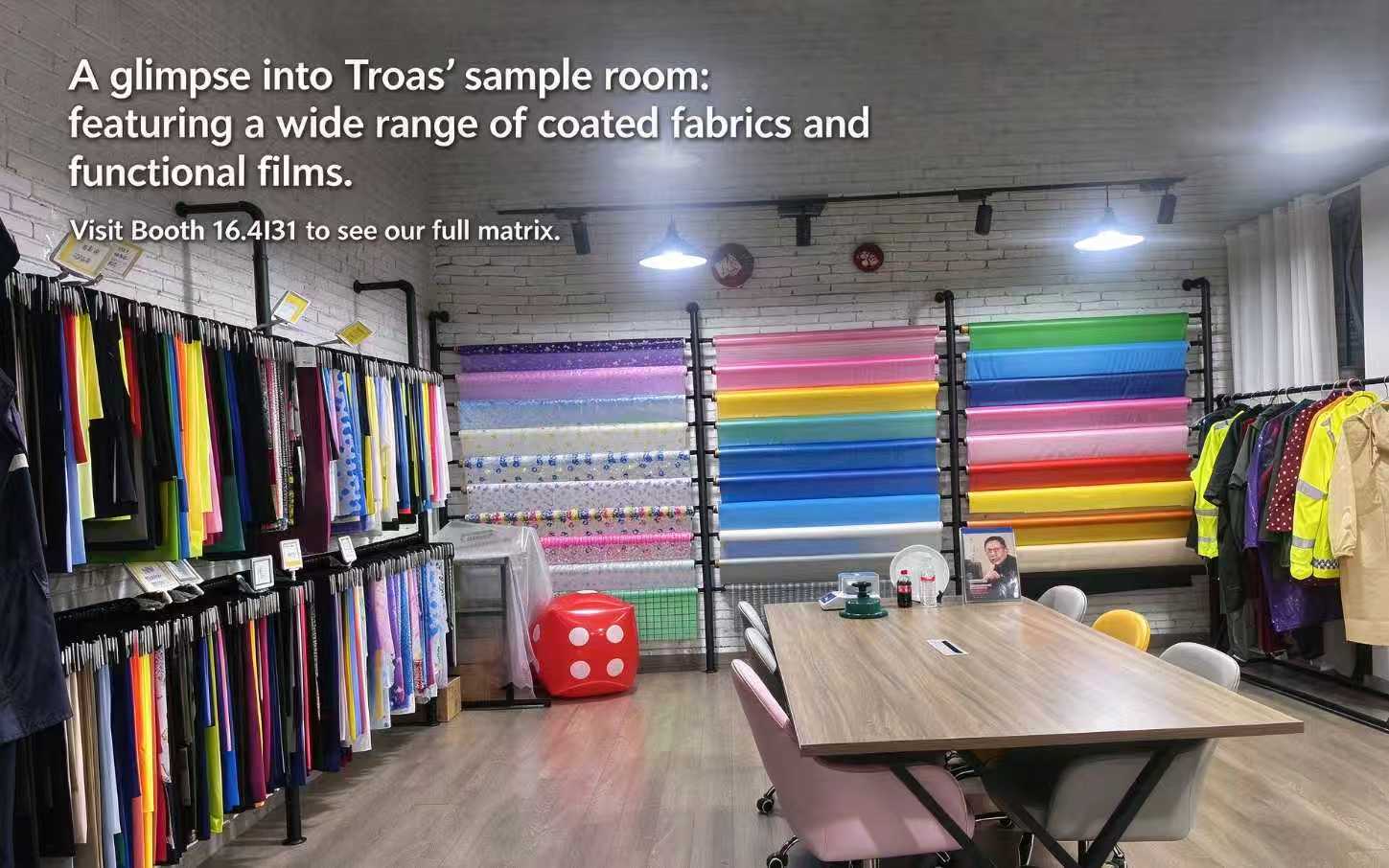
The Troas team will be available at Booth 16.4I31 throughout the exhibition, with sample books and product catalogs for PVC coated fabrics and functional films (PVC film, EVA film, PEVA film, PE film) available for on-site evaluation.
Whether you are sourcing fabric for rainwear, aprons, waders, awnings, rain shelters, or light-duty protection, or looking for PVC/EVA/PEVA/PE films, you are welcome to visit our booth. Our team can provide on-site material selection advice and evaluate customization options based on your application.
If you have specific specification requirements, we recommend contacting us in advance to schedule a meeting so we can prepare the corresponding samples for you.
📩 To schedule a booth meeting or request product catalogs: Contact Us
📁 Explore more waterproof fabrics and films that meet market demands: View Products
🏭 Learn more about Troas’ production strength and quality control system: About Us
Coming this Friday: Canton Fair Exhibitor’s Guide — How to Efficiently Evaluate Waterproof Fabric Suppliers?
Next week preview: 10-Day Countdown! Troas at the 140th Canton Fair Booth 16.4I31 — Book Your Samples in Advance.
Canton Fair Guide – How to Evaluate Waterproof Fabric Suppliers
Canton Fair 140th Countdown – Troas at Booth 16.4I31
Related Article