EVA Film in Food Packaging – Compliance, Performance & Sourcing Guide

In our previous article, we detailed the manufacturing process, key properties, and applications of calendered PVC film. One reader asked a very practical question: “Is EVA film safe for food packaging? What standards does it meet? What types of food is it suitable for?”
These questions go to the heart of food packaging sourcing decisions. EVA film (Ethylene-Vinyl Acetate copolymer film) holds a significant position in food packaging due to its unique combination of properties — excellent flexibility, low-temperature heat sealability, high transparency, and non-toxic, odorless characteristics. This article provides a systematic overview of EVA film in food packaging — covering compliance requirements, key performance advantages, typical applications, and sourcing considerations — to help B2B buyers make informed material decisions.
1. Food Contact Compliance Requirements for EVA Film
Food contact material safety is the most fundamental requirement. For EVA film to be used in food packaging, it must comply with target market regulations.
U.S. Market: FDA 21 CFR 177.1350
In the United States, food contact grade EVA is regulated under 21 CFR 177.1350 (Ethylene-vinyl acetate copolymers) . Key requirements include:
-
Vinyl acetate (VA) content shall not exceed 50 wt%
-
Must meet extractability limits using various food simulants
-
Material must meet specific purity and composition criteria
Many EVA compounds comply with FDA standards and are considered safe for repeated food contact. For example, film-grade EVA resins such as LyondellBasell‘s Ultrathene® UE672006 comply with 21 CFR 177.1350 requirements.
EU Market: EU Regulation 10/2011
In the EU, food contact EVA must comply with EU Regulation 10/2011 on plastic materials and articles intended to come into contact with food. Both ethylene and vinyl acetate monomers are listed in the regulation's permitted substances. Additionally, Framework Regulation (EC) 1935/2004 and amending regulation (EU) 2020/1245 also apply.
Other Markets
-
Australia/New Zealand (FSANZ): Accepts either FDA or EU compliance certification
-
China: Must comply with China National Food Safety Standards: For buyers: If your EVA film products are destined for Western markets, ensure your supplier can provide compliance declarations (DoC) or third-party test reports for FDA 21 CFR 177.1350 or EU 10/2011. Troas offers low-odor, high-clarity food contact grade EVA/PE films and can cooperate with customers on third-party testing.
2. Key Performance Advantages of EVA Film in Food Packaging
EVA film is widely used in food packaging due to the following performance characteristics:
1. Non-Toxic and Odorless – High Food Safety
High-quality food-grade EVA is produced from high-purity raw materials and contains no BPA (Bisphenol A) or phthalates. The material is inert and does not leach harmful chemicals into food under normal use conditions. Premium food-grade EVA has virtually no odor and will not affect food flavor or quality.
2. Excellent Low-Temperature Heat Sealability
EVA features a low seal initiation temperature, enabling strong heat seals at lower temperatures. This reduces energy consumption on packaging lines and increases packaging speed-. Even on surfaces with dust or contaminants, EVA forms strong heat seals.
3. Superior Low-Temperature Toughness
EVA maintains flexibility at low temperatures without becoming brittle. EVA film can withstand temperatures from -40°C to 60°C without significant degradation. This makes EVA film an ideal choice for frozen food packaging. EVA's low-temperature flexibility makes it perform exceptionally well in applications such as frozen food bags.
4. High Transparency and Good Gloss
EVA film offers very high transparency, superior to PE film. This is particularly important for food packaging where product visibility is essential — consumers can clearly see the food inside.
5. Excellent Flexibility and Impact Resistance
EVA film is soft and elastic, with tensile strength ranging from 15 to 35 MPa and elongation at break between 500% and 1000%-2. This high flexibility reduces the risk of cracking during transport and handling.
6. Good Moisture Resistance
EVA film has very low water absorption — typically less than 0.1% over 24 hours (ASTM D570). It effectively blocks moisture, preventing dry foods from becoming damp and inhibiting bacterial growth.
7. Excellent Adhesion and Printability
EVA offers excellent adhesion to materials such as aluminum, polyester, and polyethylene. It also has good printability, making it suitable for customized brand packaging.
3. EVA Film vs PE Film vs PVC Film – Comparison for Food Packaging
EVA film, PE film, and PVC film each have their applications in food packaging:
| Dimension | EVA Film | PE Film | PVC Film |
|---|---|---|---|
| Transparency | Very High | Moderate | High |
| Flexibility | High (naturally soft) | Moderate | Low (requires plasticizers) |
| Low-Temp Performance | Excellent (-40°C) | Good | Poor (becomes brittle) |
| Heat Sealability | Excellent (low-temp) | Good | Good |
| Adhesion | Excellent | Low | Good |
| Food Contact Compliance | FDA/EU compliant | FDA/EU compliant | Plasticizer concerns |
| Cost | Medium | Lowest | Lower |
Selection recommendations:
-
Premium food packaging requiring product visibility → EVA film (high transparency, premium feel)
-
Frozen food, cold storage → EVA film (excellent low-temperature toughness)
-
Cost-sensitive high-volume general packaging → PE film
-
Applications requiring plasticizer-free food contact → EVA film or PE film
4. Typical Applications of EVA Film in Food Packaging
Frozen Food Packaging
EVA film is a preferred material for frozen food packaging. EVA resins are specifically designed for ice bags, frozen food bags, and other films requiring excellent toughness and good heat sealing characteristics. EVA remains flexible at freezing temperatures and does not become brittle, ensuring packaging integrity throughout the cold chain. Typical applications include frozen meat, seafood, frozen vegetables, and ice cream packaging.
Fresh and Refrigerated Food Packaging
EVA film offers high transparency and good anti-fog properties, making it suitable for fresh produce packaging where consumers can clearly see product freshness. Coextruded EVA film is used for shrink packaging of cheese, meat, ham, and other refrigerated products. EVA film also serves as lidding film for frozen and refrigerated food packaging.
Dry Food and Ambient Storage
EVA film's excellent moisture resistance makes it ideal for dry food storage. Typical applications include grains, cereals, pasta, flour, and coffee beans.
Multi-Layer Coextrusion Composite Packaging
EVA is commonly used as a heat seal layer in multi-layer coextruded films, combined with other materials (such as PA, EVOH, PVDC, etc.) to achieve high barrier properties. This structure extends the shelf life of fresh food (through low water vapor and oxygen transmission rates) while providing excellent heat seal performance-. Applications include high-barrier packaging for meat, cheese, and prepared foods.
Heat-Shrink Film
EVA is used in heat-shrink films and multi-layer stretch films for food packaging. EVA heat-shrink film is suitable for packaging frozen food, cheese, meat, and other products.
5. Sourcing Considerations for B2B Buyers
If you are sourcing EVA film for food packaging applications, here are key points to consider:
1. Confirm Compliance Level
| Target Market | Compliance Requirement | Sourcing Consideration |
|---|---|---|
| United States | FDA 21 CFR 177.1350 | Request FDA compliance statement or test reports |
| European Union | EU 10/2011 + (EC) 1935/2004 | Request Declaration of Compliance (DoC) |
| Other Markets | Reference FDA or EU standards | Confirm local acceptance of FDA/EU certification |
2. Select VA Content Based on Product Type
Vinyl acetate (VA) content in EVA directly affects performance:
-
Low VA content (5–10%) : Higher strength, suitable for general packaging
-
Medium VA content (15–20%) : Balanced flexibility and strength — most common for food packaging sealant layers
-
High VA content (28%+) : Excellent low-temperature flexibility and heat sealability — ideal for frozen food packaging
3. Specify Thickness and Specifications
EVA film thickness and width can be customized based on application requirements. Troas offers low-odor, high-clarity food contact grade EVA/PE films- in various thicknesses and specifications.
4. Request Samples for Performance Verification
Before bulk ordering, we recommend:
-
Request samples for basic evaluation of transparency, hand feel, and odor
-
Conduct heat seal tests to confirm seal temperature and strength meet production line requirements
-
If compliance testing is required, arrange third-party testing as needed
6. What Troas Can Do for You
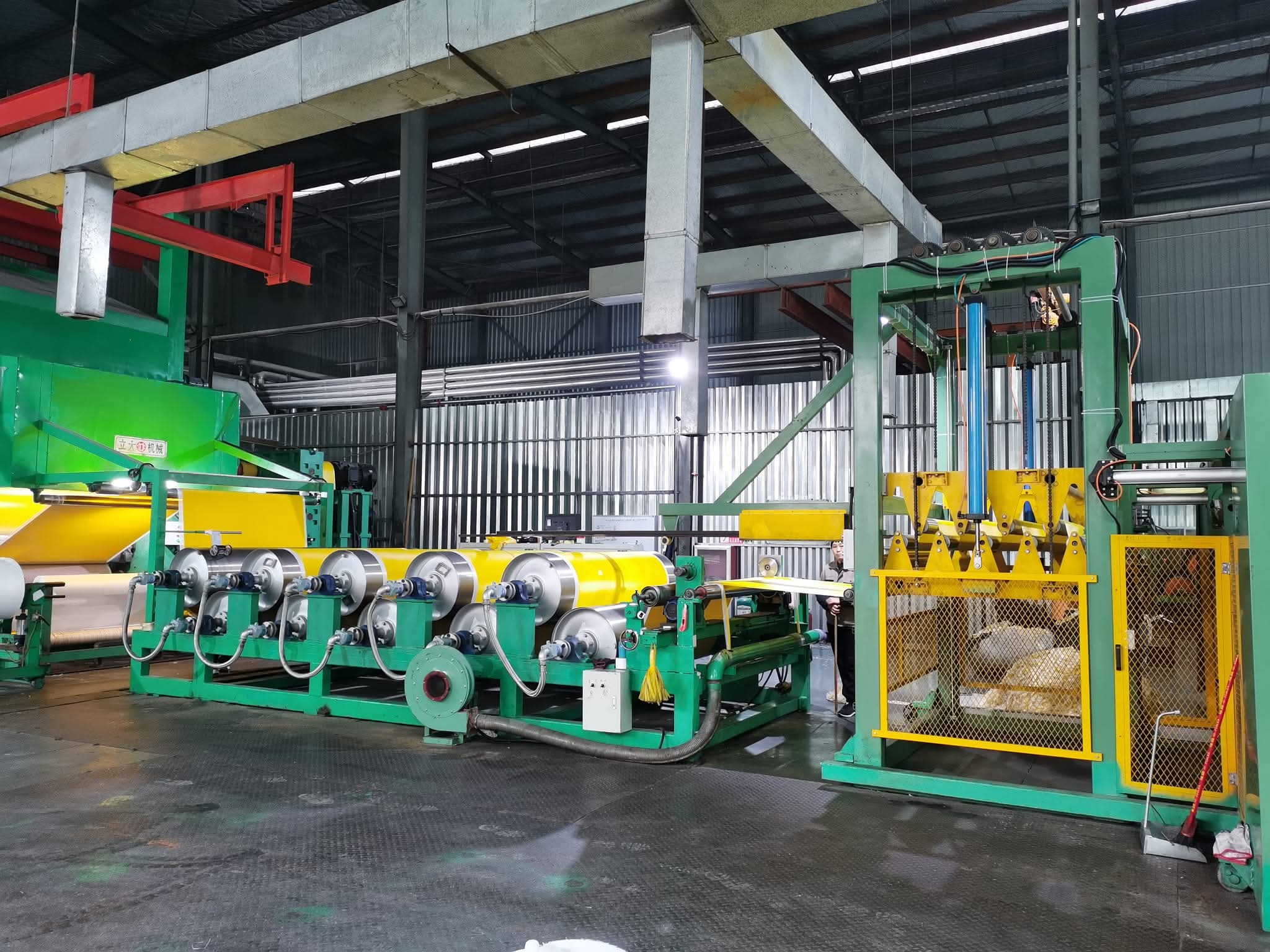
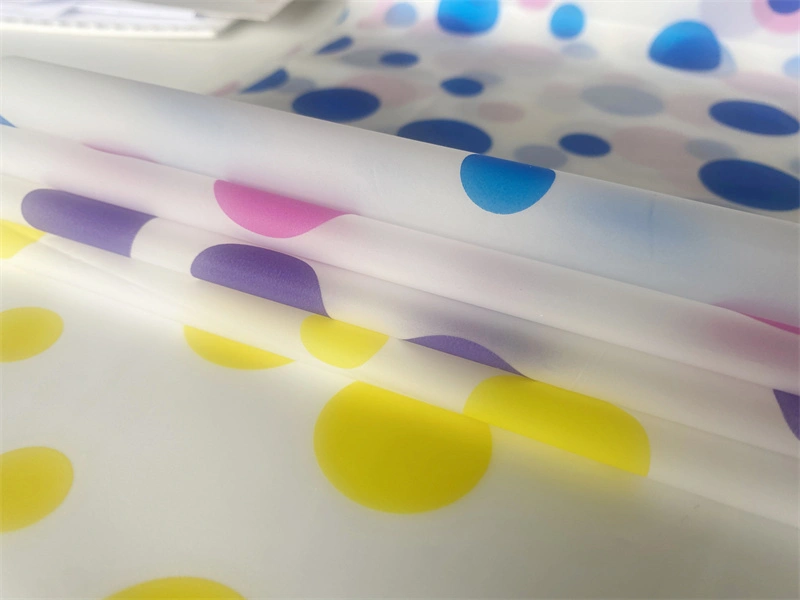
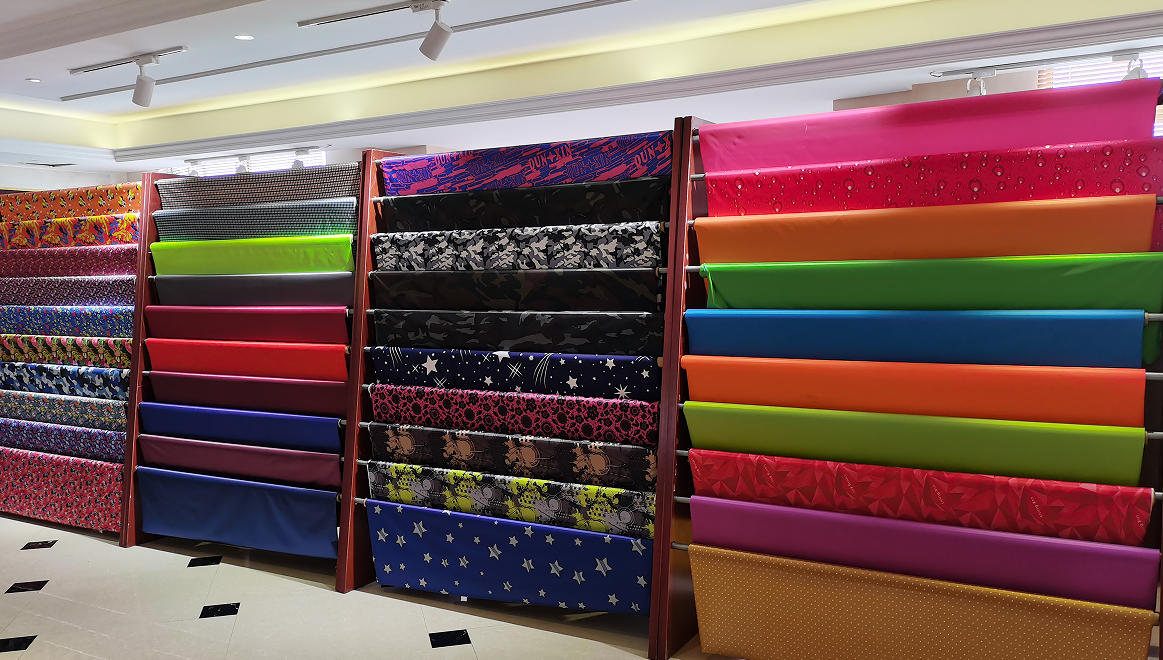
Troas offers EVA film products covering food packaging, medical protection, rainwear, stationery, and more-. In food packaging, Troas provides:
-
Low-odor, high-clarity food contact grade EVA/PE films
-
Functional materials compliant with REACH, RoHS standards
-
EVA eco-films suitable for food packaging, stationery, rainwear, aprons, and more
Core capabilities:
-
Compliance support: Can cooperate with third-party testing per FDA 21 CFR 177.1350, EU 10/2011, and more
-
Flexible specifications: Custom thickness, width, and color
-
Consistent quality: 20 years of production experience ensuring stable delivery for large-volume orders
7. Summary
EVA film holds an important position in food packaging due to its non-toxic, odorless nature, excellent low-temperature toughness, high transparency, and outstanding heat sealability:
-
Frozen food packaging: EVA's low-temperature toughness is the key advantage
-
Fresh and refrigerated food: High transparency and heat sealability meet display and sealing requirements
-
Dry food storage: Excellent moisture resistance ensures food quality
-
Multi-layer coextrusion packaging: As a heat seal layer, enhances overall packaging performance
The key to selecting EVA film is: What type of food does your product package? Which market are you targeting? What are your transparency and low-temperature requirements? Once you have the answers, the selection becomes clear.
Troas will continue our weekly Tuesday updates, delivering practical content on functional films and waterproof fabric applications.
📩 To request EVA food contact film samples or product catalogs: Contact Us
📁 Explore more waterproof fabrics and films that meet market demands: View Products
🏭 Learn more about Troas‘ production strength and quality control system: About Us
Next week preview: We’ll dive into PEVA film applications and eco-friendly advantages — from tablecloths and shower curtains to packaging materials.
What Is Calendered PVC Film? – Manufacturing Process, Properties & Applications
Related Article