Industrial Rainwear Fabric Guide – How to Choose Coating (PVC/PU/TPU) and Base Fabric (Polyester/Nylon)
In our previous article, we previewed that this week we would dive deep into industrial rainwear fabric selection. As one of the core applications of waterproof fabrics, the global industrial rainwear market continues to grow steadily. According to market research, the global rainwear market was valued at approximately USD 5.1 billion in 2025 and is projected to reach USD 8.7–12.5 billion by 2030–2034.
For rainwear and protective garment manufacturers, choosing the right waterproof fabric comes down to matching the coating material (PVC vs PU vs TPU) with the base fabric type (polyester vs nylon). The coating determines waterproof performance and cost; the base fabric determines strength and hand feel. Together, they decide product cost, durability, and wearing comfort.
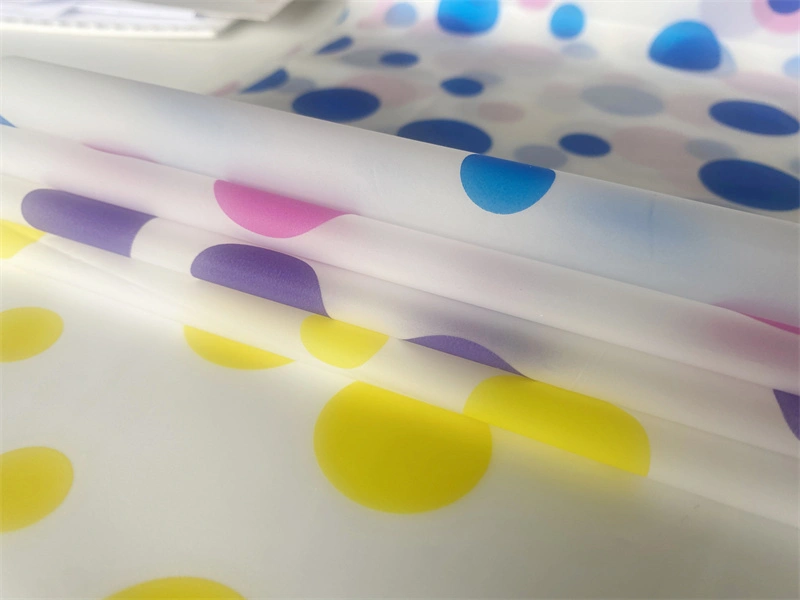
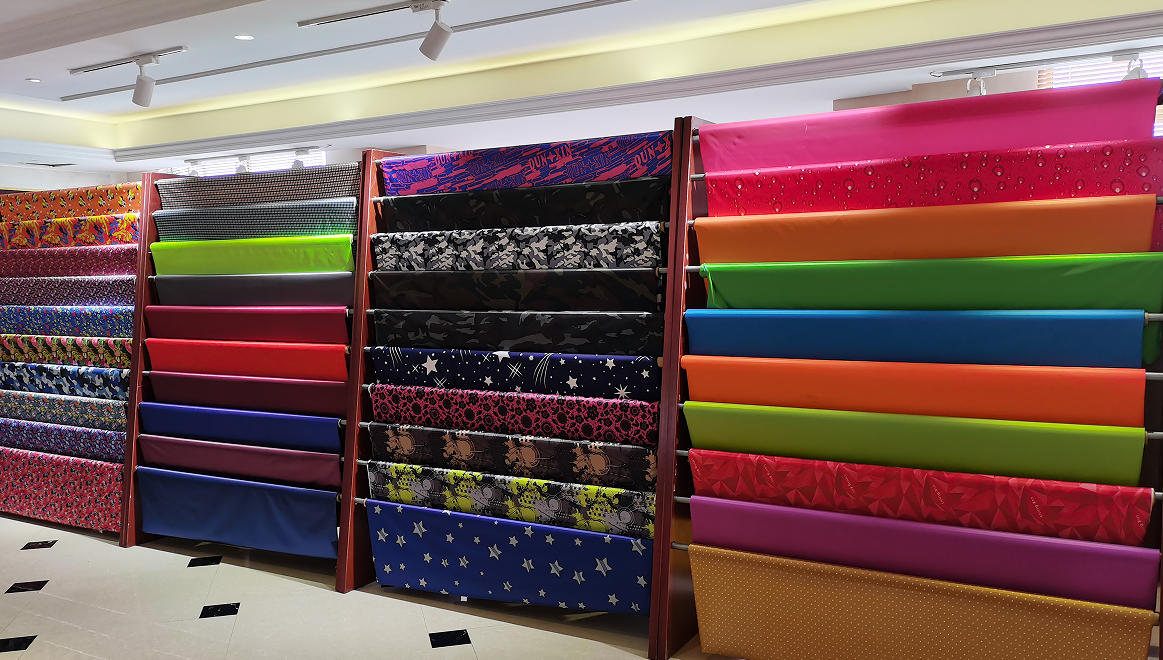
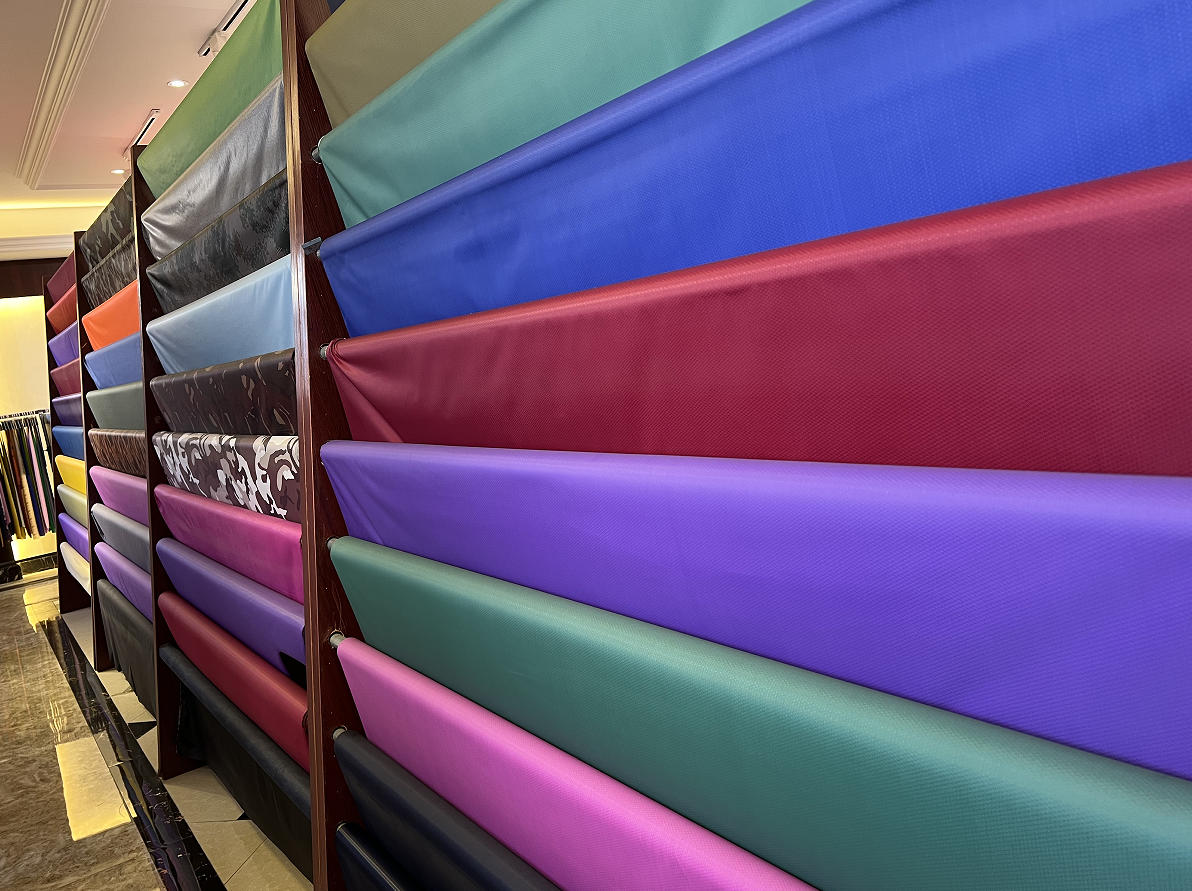
Important note: Nylon or polyester fabric alone is not waterproof. All waterproof function comes from the coating. The nylon or polyester serves as the base fabric that carries the coating. Troas’ waterproof fabrics are exactly this — polyester or nylon base with PVC or PU coating.
This article provides a systematic comparison to help B2B buyers make informed sourcing decisions.
1. Coating Material Comparison: PVC vs PU vs TPU
Based on the same base fabric (e.g., 210T polyester), changing only the coating.
| Coating Type | Waterproofness | Breathability | Cost | Low-Temp Performance | Applications |
|---|---|---|---|---|---|
| PVC coating | Excellent | Poor | Low | Fair | Industrial protection, agriculture, construction, logistics |
| PU coating | Good | Good | Medium-High | Good | Outdoor work, functional rainwear |
| TPU coating | Excellent | Good | High | Excellent | Professional grade, extreme environments |
Brief explanation:
-
PVC coating: Lowest cost, most thorough waterproofing – ideal for price-sensitive industrial applications. Troas' PVC products can cooperate with third-party compliance testing.
-
PU coating: Better breathability and comfort – suitable for prolonged outdoor work.
-
TPU coating: Eco-friendly, excellent low-temperature performance – for high-end professional protection.
2. Base Fabric Material Comparison: Polyester vs Nylon
Based on the same coating (e.g., PVC coating), changing only the base fabric.
| Base Fabric | Strength | Dimensional Stability | UV Resistance | Hand Feel | Cost | Typical Applications |
|---|---|---|---|---|---|---|
| Polyester | Good | Excellent | Good | Stiffer | Lower | Industrial rainwear, tarpaulins |
| Nylon | Excellent | Fair | Fair | Soft | Higher | Lightweight rainwear, outdoor gear |
Brief explanation:
-
Polyester base: Excellent dimensional stability, resists deformation when wet, lower cost – the most common base fabric for industrial rainwear.
-
Nylon base: Higher strength, softer and more abrasion-resistant, but higher cost – suitable for high-end or lightweight products.
3. Combination Recommendations: Coating + Base Fabric
| Combination | Recommended Application | Rationale |
|---|---|---|
| PVC + Polyester | Large-volume rainwear for construction, agriculture, logistics | Lowest cost, thorough waterproofing, dimensional stability – ideal for price-sensitive markets |
| PVC + Nylon | Industrial rainwear requiring soft hand feel | Softer and more abrasion-resistant, slightly higher cost |
| PU + Polyester | Mid-range functional rainwear | Better breathability, dimensional stability, comfortable |
| PU + Nylon | High-end outdoor rainwear, professional protective wear | High strength, good hand feel, breathable comfort |
| TPU + Nylon | Extreme environment protective wear | Eco-friendly, excellent low-temperature performance |
4. Industry Trends and Sourcing Recommendations
1. Rapid growth in waterproof breathable textiles
The global waterproof breathable textiles market is projected to grow from ~USD 25 billion in 2024 to ~USD 41 billion by 2032, indicating rising expectations for wearing comfort.
2. Combination strategies by market
-
Price-sensitive markets (e.g., Southeast Asia): PVC + Polyester
-
Performance-focused markets (e.g., Europe, North America): PU + Nylon or TPU + Nylon
-
Balanced mid-range markets: PVC + Nylon or PU + Polyester
3. Three-step verification for buyers
-
Define application scenarios (wear duration, temperature, activity level)
-
Request small trial orders comparing different coatings/base fabrics
-
Assess supplier flexibility (base fabric switching, compliance testing)
5. What Troas Can Do for You
-
Flexible base + coating combinations: Switch between polyester and nylon base under the same PVC coating formula.
-
Tailored solutions: Adjust coating thickness, fabric weight, surface treatments (UV resistance, low-temperature resistance, etc.).
-
Compliance support: Products can cooperate with third-party testing (REACH, RoHS, etc.).
-
Stable quality: 20 years of experience ensuring consistent delivery for large-volume orders.
Closing Words
There is no absolute "best" waterproof fabric – only the most suitable match. Understanding the combination logic of coating and base fabric, combined with your target market and cost structure, is key to making the right sourcing decision.
Troas will continue our weekly Tuesday updates.
📩 To receive industrial rainwear fabric catalogs or consult on customized solutions: Contact Us
📁 Explore more waterproof fabrics that meet market demands: View Products
🏭 Learn more about Troas‘ production strength and quality control system: About Us
Polyester Taffeta vs Pongee vs Oxford – Which Rainwear Base Fabric to Choose?
How to Optimize Waterproof Fabric for Southeast Asia – Focusing on Price, Delivery, and Basic Quality
Related Article