How to Optimize Waterproof Fabric for Southeast Asia – Focusing on Price, Delivery, and Basic Quality
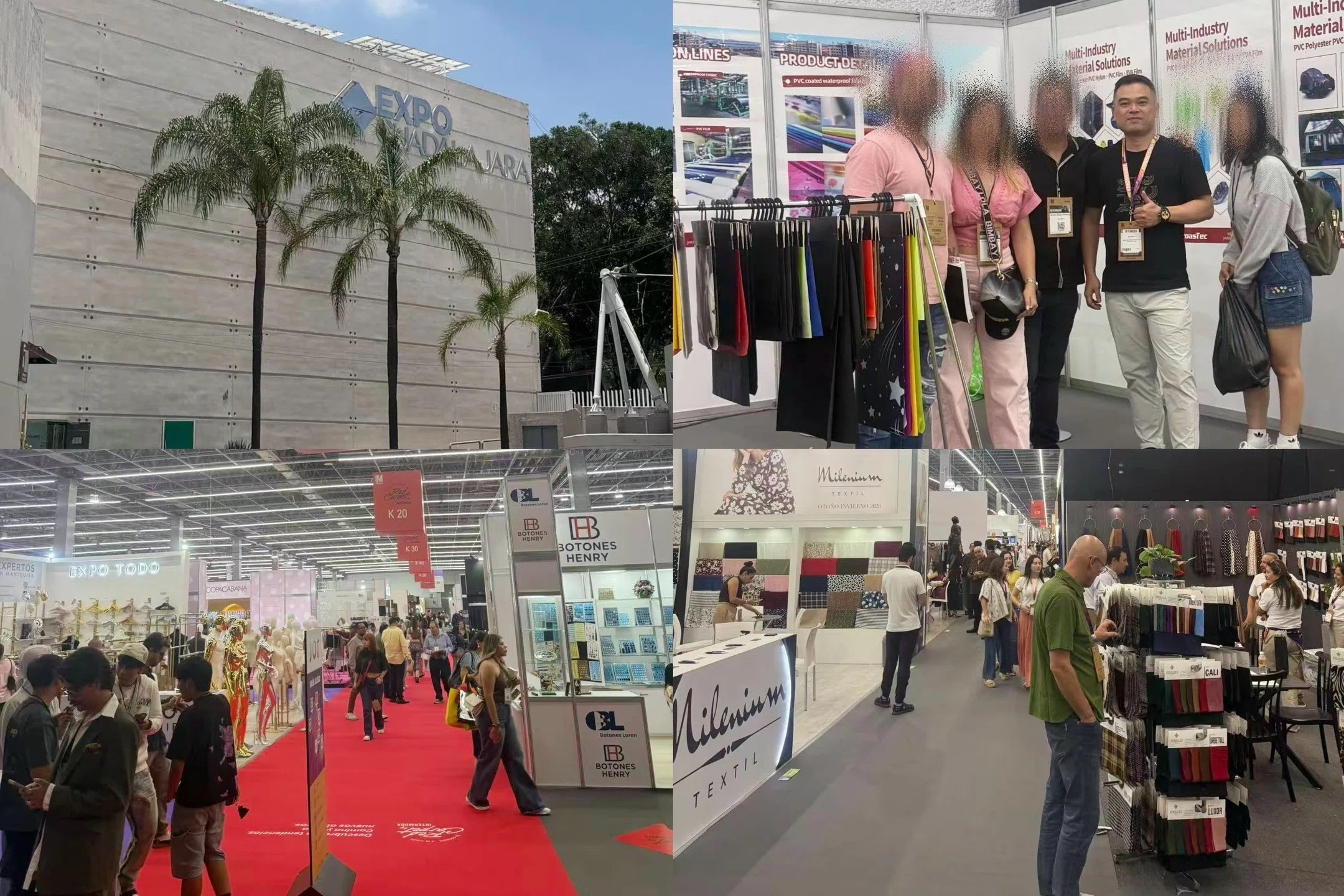
In our previous article, we shared a candid recap of the 139th Canton Fair: over 70% of the buyers who visited our booth came from Southeast Asian markets, and their focus was concentrated on pricing, MOQ, delivery stability, and sample shipping speed. Very few proactively asked about environmental certifications or in-depth technical parameters.
So here's the question: If Southeast Asia is your primary target market, how should you optimize your waterproof fabric products to truly meet local buyer needs?
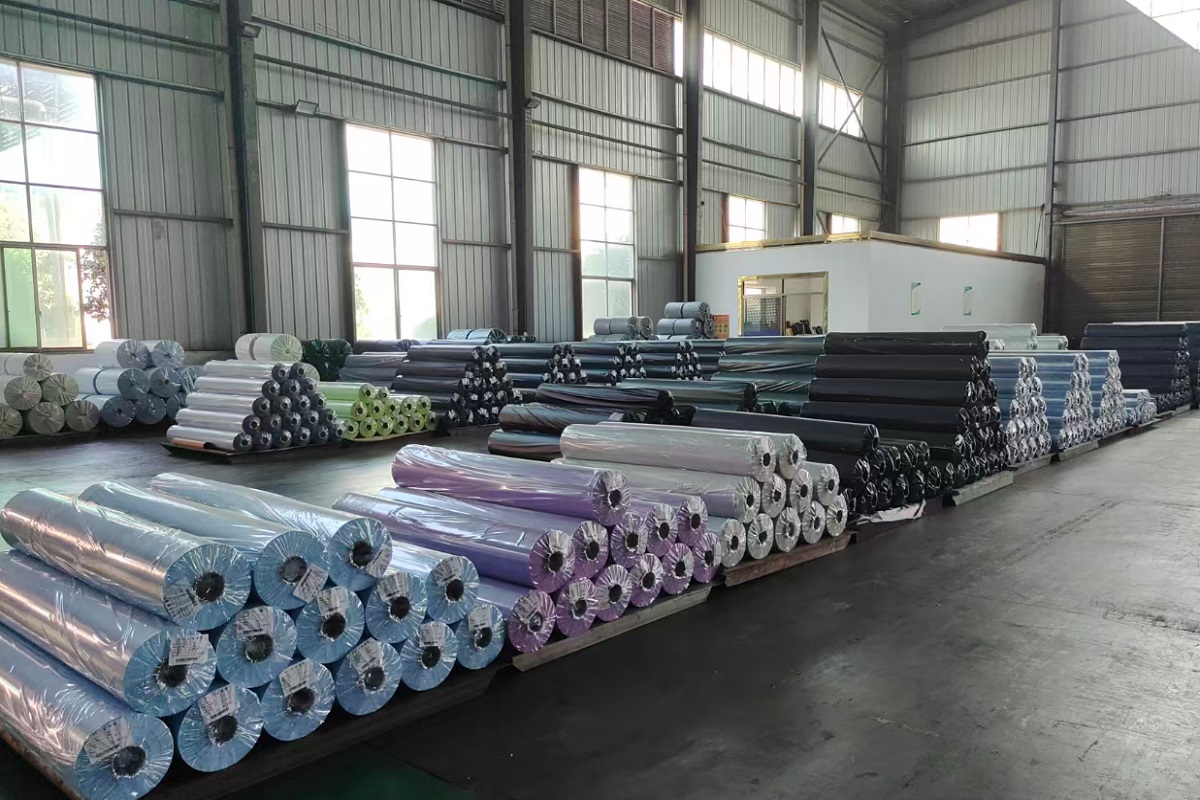
As a manufacturer with 20 years of experience in PVC fabric production serving numerous Southeast Asian customers, Troas shares our insights and recommendations across three dimensions.
1. Price Competitiveness: Optimize Costs Without Sacrificing Basic Quality
Price sensitivity in Southeast Asian markets is a reality. But this doesn‘t mean the lowest price always wins.
Market data:
-
The global waterproof fabrics market is projected to grow from USD 104.32 million in 2025 to USD 156.43 million by 2032, at a CAGR of 5.95%.
-
The Southeast Asia coated fabrics market was valued at USD 783.42 million in 2024 and is expected to reach USD 1243.42 million by 2033, growing at a CAGR of 5.32%. PVC accounted for the largest share of the coating type market in 2024.
-
The tarpaulin sheets market is projected to reach USD 12.6 billion by 2036, with a CAGR of 4.9%. India is forecast to be the fastest-growing country at a 6.4% CAGR through 2036.
Optimization tips:
-
Adjust thickness and weight specifications based on actual application needs to avoid unnecessary costs from “over-engineering.”
-
Optimize production processes to stabilize costs while maintaining basic quality standards.
-
Pass cost savings to pricing without letting quality slip—Southeast Asian buyers evaluate “value for money” pragmatically, and products that fail quickly will be eliminated.
2. Delivery Reliability: The 30–45 Day Window Is a Must
Southeast Asian customers generally won‘t accept 60+ day lead times. A stable 30–45 day delivery window is the baseline expectation for most buyers.
Market trend insights:
-
Demand for coated fabrics is growing rapidly in Vietnam, driven by an expanding manufacturing base and foreign direct investment. Thailand is also seeing strong growth from its automotive and industrial protection sectors.
-
Buyers in these markets typically operate on clear production schedules and inventory cycles. Delivery delays can stall their production lines or miss sales windows.
Optimization tips:
-
Maintain a reasonable safety stock of raw materials to reduce supply chain-related delivery risks.
-
Establish clear production planning so customers know delivery timelines before placing orders.
-
For new customers, start with small to medium trial orders to validate coordination on production, logistics, and quality control.
3. Basic Quality: Durability, Tear Resistance, and Weather Adaptability
Southeast Asia's hot, humid climate with distinct rainy and dry seasons imposes specific requirements on waterproof fabric performance.
Key performance indicators:
-
Tear resistance: Logistics, transport, and outdoor applications in Southeast Asia often involve pulling and abrasion. Tear resistance directly impacts product lifespan.
-
Waterproof/moisture resistance: Reliable waterproofing is the most fundamental requirement—customers care deeply about performance under sustained heavy rainfall.
-
UV resistance: Tropical regions have high UV exposure. For products requiring long-term outdoor use (construction covers, agricultural tarpaulins), UV resistance is a necessary consideration.
Market observation:
According to Future Market Insights, tarpaulin purchasing decisions are shifting from “headline price only” to evaluating service life, replacement timing, and real-world handling conditions-11. Even in price-sensitive Southeast Asia, buyers are increasingly calculating long-term value rather than just upfront cost.
Practical Recommendations: How to Select or Optimize Your Southeast Asia Product Line
Based on these three dimensions, here are practical suggestions for waterproof fabric buyers and suppliers:
-
Pinpoint your target application scenarios — Industrial rainwear, agricultural tarpaulins, or transport covers? Different scenarios assign different weightings to price, delivery, and quality.
-
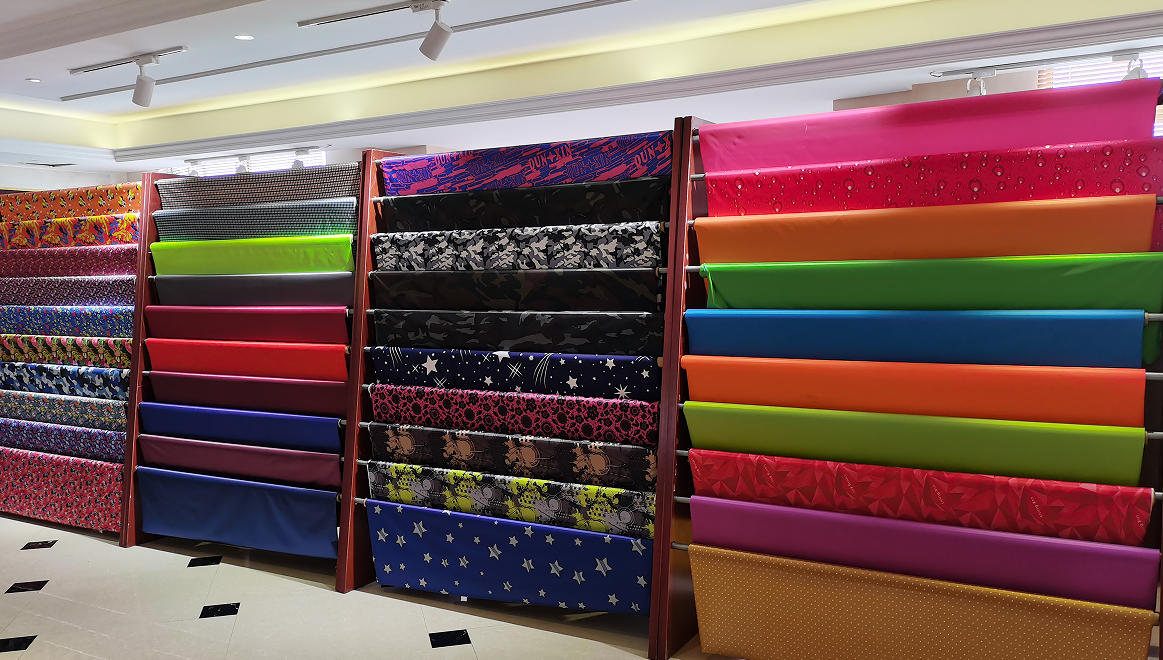
Build a structure of standard products + custom solutions — Run volume through standard items to control costs and stabilize delivery; serve specialized needs through custom solutions. Troas‘ calendered PVC film series is continuously optimized along this logic.
-
Use trial orders to verify supply chain fit — Before bulk orders, run one or two small to medium trial orders to fully test quality consistency, delivery commitment, and communication efficiency.
Looking Ahead
Southeast Asia is experiencing a historic window of manufacturing upgrades and infrastructure expansion. The growth outlook for the waterproof fabric industry in the region is clear, but the fundamentals of competition remain the same: cost-effectiveness, delivery stability, and basic quality.
Troas will continue our weekly Tuesday updates, delivering practical, actionable content on the topics Southeast Asian buyers truly care about.
📩 To receive product catalogs or consult: Contact Us
📁 Explore more waterproof fabrics that meet market demands: View Products
🏭 Learn more about Troas‘ production strength and quality control system: About Us
Industrial Rainwear Fabric Guide – How to Choose Coating (PVC/PU/TPU) and Base Fabric (Polyester/Nylon)
Canton Fair 2026 Recap: Real Voices from Southeast Asian Markets and Industry Trends
Related Article